
TRADITIONAL PANTILE LOOK TILES
The pantile profile has shaped UK roofing for centuries, particularly across East Anglia, Yorkshire, the East Coast and parts of Scotland. Its distinctive rolling S-curve remains a planning requirement in many conservation areas and a design preference for projects wanting regional character or heritage continuity.
Specifiers no longer need to rely on clay to achieve that look. Concrete roof tiles with a traditional pantile profile offer the same visual character with better size consistency, shorter lead times, lower cost and dependable supply for volume housing, commercial and public sector schemes.
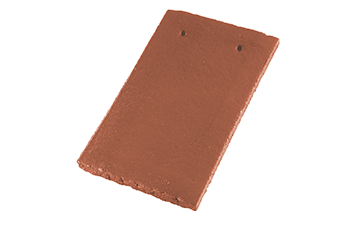
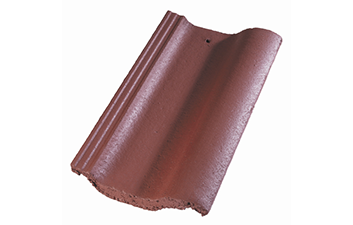
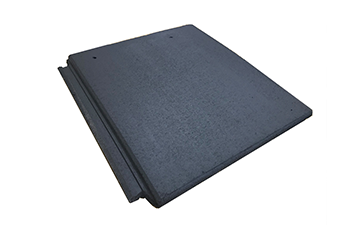
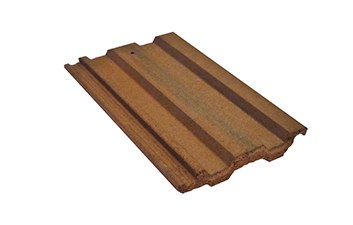
FP McCann manufactures three concrete roof tiles that deliver authentic pantile character across different project types. Our technical team works with architects, main contractors and sub-contractors across the UK to ensure that roof tile specifications are accurate, compliant with BS EN 490, and aligned with both the design intent and practical site requirements.
Whether you are specifying tiles at the design stage or confirming fixing details ahead of installation, we provide the guidance and product range to support your project from start to finish.
GET IN TOUCH
TECHNICAL DOWNLOADS
WHAT IS A TRADITIONAL PANTILE?
A pantile is a roof tile with a distinctive S-shaped or rolled profile that creates a flowing ridge-and-trough pattern across the roof plane. Originally imported into eastern England from the Netherlands in the 17th century, it became the vernacular roofing choice in coastal and rural regions across the east of the UK.
The profile creates a pronounced shadow line compared with plain tiles or slate. Planning authorities in conservation areas, Areas of Outstanding Natural Beauty (AONBs) and heritage settings often specify pantile-style roofing to maintain local character, even on new-build developments.
For architects working on these types of projects, the pantile look is rarely optional. It is an important condition of planning approval.
WHY SPECIFY A CONCRETE PANTILE LOOK TILE OVER CLAY
Clay pantiles are still available, but they come with limitations that may affect construction projects. Concrete pantile-style tiles resolve those constraints while retaining the visual character required, offering benefits such as:
- Shorter, more predictable lead times than clay pantile supply, particularly on larger schemes
- Greater dimensional consistency, which reduces installation variance and on-site cutting
- Lower material cost, with equivalent or better weathering performance across UK exposure zones
- Reliable availability at volume for multi-phase housing developments
- Full compliance with BS EN 490, with UKCA and CE marking on individual products
- UK manufacture, reducing supply chain risk on imported clay alternatives
Listed buildings, grade-protected heritage sites, and schemes with strict conservation officer requirements may still require clay pantiles to match existing fabric. Everywhere else, concrete is the more practical specification.
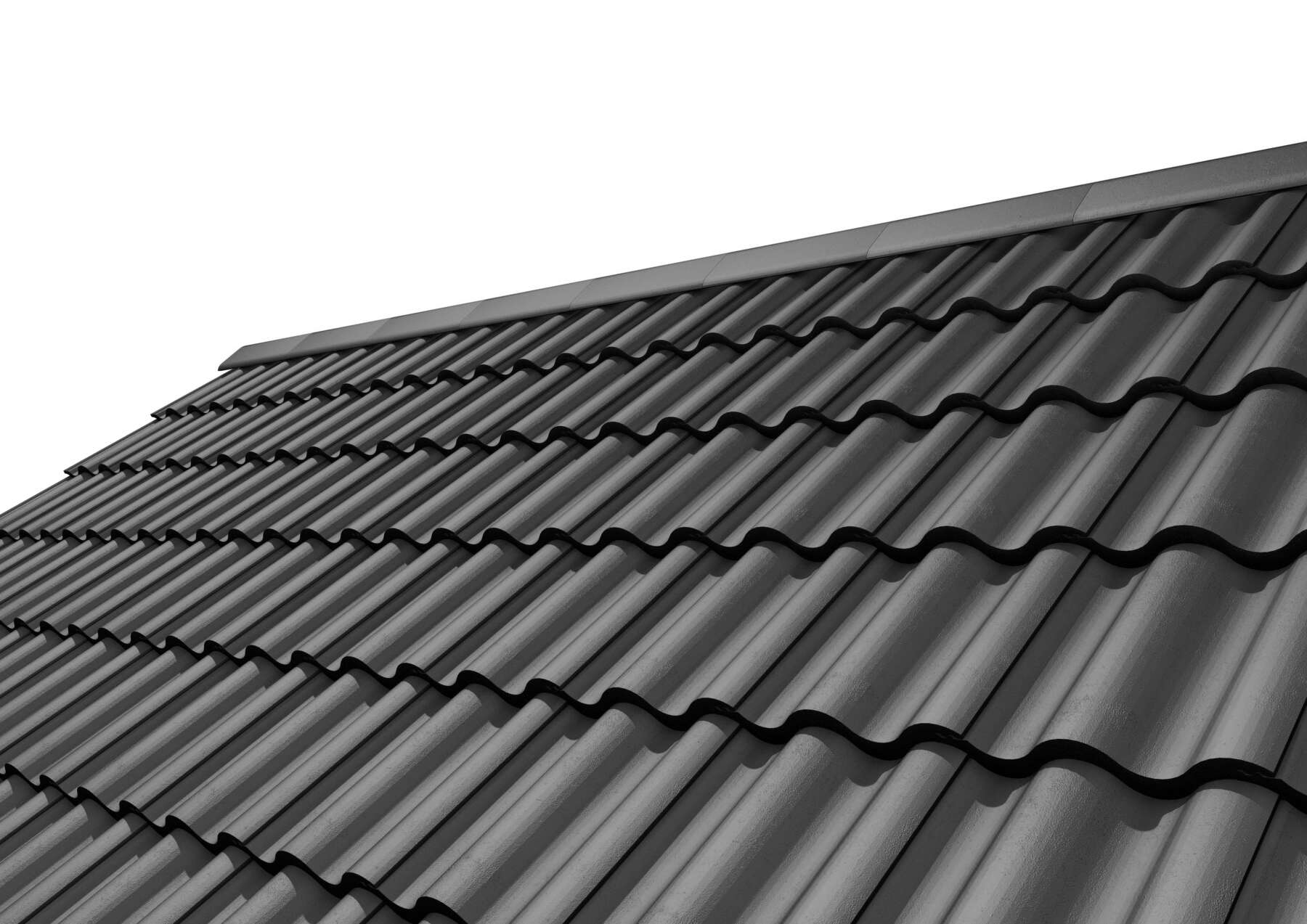

FP MCCANN RANGE OF TRADITIONAL PANTILE LOOK TILES
FP McCann manufactures three concrete roof tiles that deliver a pantile look across different project types and design intents. Each is produced across our 14 UK and Ireland manufacturing facilities and backed by a 15-year guarantee on the full roof offering.
SPECIFICATION CONSIDERATIONS FOR ARCHITECTS
Tile selection against planning and conservation conditions is the first consideration for specifiers.
Where a conservation officer has specified a pantile look, confirm whether the condition is for single pantile, double pantile, or a broader traditional profile. This dictates whether the Senator, Round Top or Double Roman is the correct choice.
Roof geometry also drives selection. Minimum pitch is the most common constraint. Round Top allows 15° subject to fixing specification, Double Roman allows 17.5° at 100mm headlap, and Senator requires 22.5°. Cover width, headlap and batten gauge all affect coverage calculations and ridge, verge and eaves detailing.
For CAD details, BIM objects and full specification sheets, see our concrete roof tiles product range and supporting concrete roof tile specifications guide.
PROCUREMENT AND PROJECT CONSIDERATIONS FOR MAIN CONTRACTORS
All three pantile effect tiles are manufactured in the UK across FP McCann’s 14 facilities, with coordinated delivery through our own logistics network. This removes the lead time exposure associated with imported clay pantile supply and supports phased delivery to match the build programme.
Factory production to BS EN 490 tolerances means tiles from phase one and phase four of a scheme read identically across the roofscape, which avoids planning issues on later phases.
The full roof offering is covered by a 15-year guarantee, providing commercial certainty at specification stage.
INSTALLATION CONSIDERATIONS FOR SUB-CONTRACTORS
Dimensional consistency across precast concrete tiles speeds coverage on site compared with clay pantiles, which vary slightly in size and shape due to the firing process. Fixing specification for each tile is available through FP McCann’s Online Fixing Specification tool, which generates a site-specific fixing schedule based on location, pitch, exposure and tile selection.
Batten gauge, headlap and nail specification are documented on each product data sheet. Cutting should follow HSE Roof Tile Guidance (HSG33) for dust control and safe working, particularly around hips, valleys and verge detailing.
SPECIFYING FP MCCANN TRADITIONAL PANTILE LOOK TILES
The choice between the three tiles comes down to the character required and the pitch available:
- Senator for authentic single pantile character on heritage-driven projects
- Round Top for a softer double pantile profile with the broadest pitch range
- Double Roman for a more pronounced, characterful pantile-style roofline
CONTACT FP MCCANN FOR ROOF TILE SPECIFICATION SUPPORT
Whether you are at the design, procurement, or construction stage, FP McCann is ready to support your next roofing project with expert guidance and a large range of concrete roof tiles.
Visit our Concrete Roof Tile product page for technical specifications, BIM objects, and downloadable datasheets.
Or contact our team today to discuss your project requirements.
Click here to request a quote or to contact our team, click here for NI/ROI or click here for Great Britain.
FAQS
Are concrete pantile look tiles accepted in conservation areas?
In most cases, yes. Planning authorities focus on the visual character of the tile rather than the base material. Confirm with the case officer at pre-application stage for certainty, particularly on listed building consent applications.
What is the minimum roof pitch for a concrete pantile style tile?
It depends on the tile. Round Top allows 15° subject to fixing specification. Double Roman allows 17.5° at 100mm headlap or 22.5° at 75mm headlap. Senator requires 22.5° minimum.
How do concrete pantile tiles compare to clay pantiles on cost?
Concrete pantile-style tiles are typically more cost-effective than clay at both material and installation level, with shorter lead times and more consistent availability.
Can concrete pantile style tiles be used on new-build housing schemes?
Yes. All three tiles are widely used on new-build housing, including multi-phase developments. Batch consistency, the 15-year guarantee and UK manufacturing capacity make them well-suited to volume residential specifications.
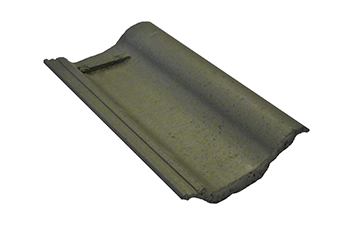
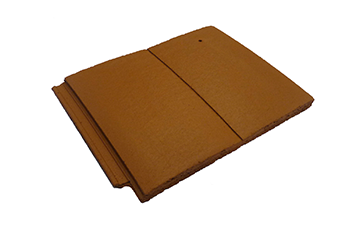
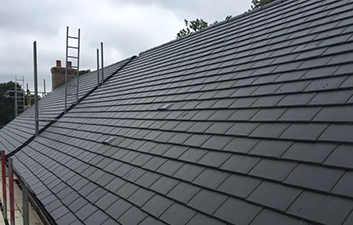
CONCRETE ROOF TILES






GET IN TOUCH
Jonathan Pratt – Central West
07740 433860 jpratt@fpmccann.co.uk
Craig Miller – Scotland
07561 868644 cmiller@fpmccann.co.uk
Aaron Greenbeck – Central East
07709 846903 agreenbeck@fpmccann.co.uk
Kelsey Buckley – North East
07752 796952 kbuckley@fpmccann.co.uk
Ashley Meredith – South West
Jessica Brooke – North West
07860670164 jbrooke@fpmccann.co.uk
Dom Hiscock – Central South
07843 801620 dhiscock@fpmccann.co.uk
Berkuk Kunduh – South
07514 931588 bkunduh@fpmccann.co.uk
