FP McCann Scales Up Graphene Roof Tile Trials After Successful Factory Run
Cadeby, Leicestershire – FP McCann has successfully advanced its graphene-enhanced concrete roof tile project from initial trials into full factory-scale validation, marking a significant milestone in the development of low-carbon construction materials. Following a series of rigorous production trials at its Cadeby plant, the manufacturer has demonstrated that graphene-enhanced formulations can be seamlessly integrated into existing, high-volume manufacturing processes.
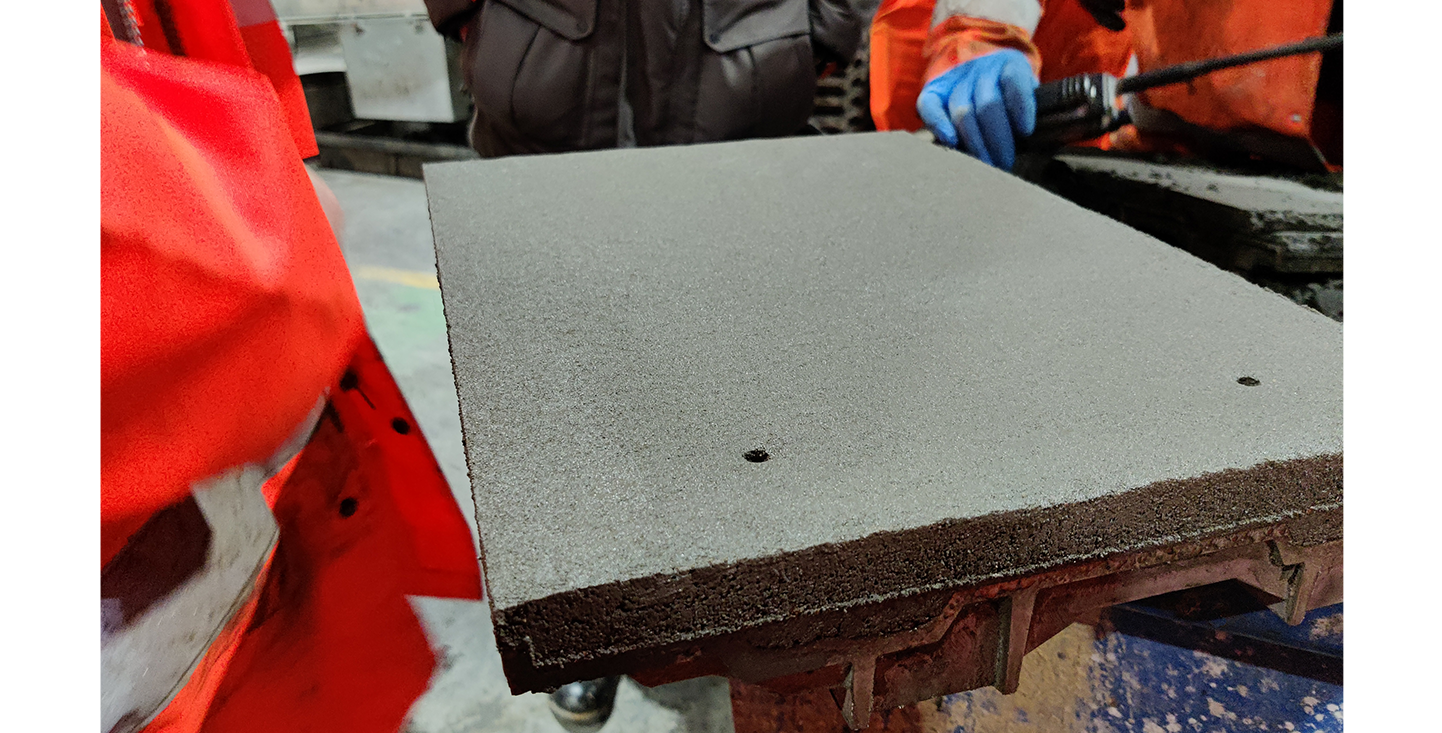
The latest phase of the programme builds upon an initial run in January, during which FP McCann produced a batch of 2,500 graphene-enhanced roof tiles. This early trial utilised material supplied through Breedon and First Graphene, proving the concept on a live production line without requiring any modifications to standard manufacturing methods. Subsequent trials have confirmed that this success can be replicated at scale under normal factory conditions while maintaining product quality that meets stringent production requirements.
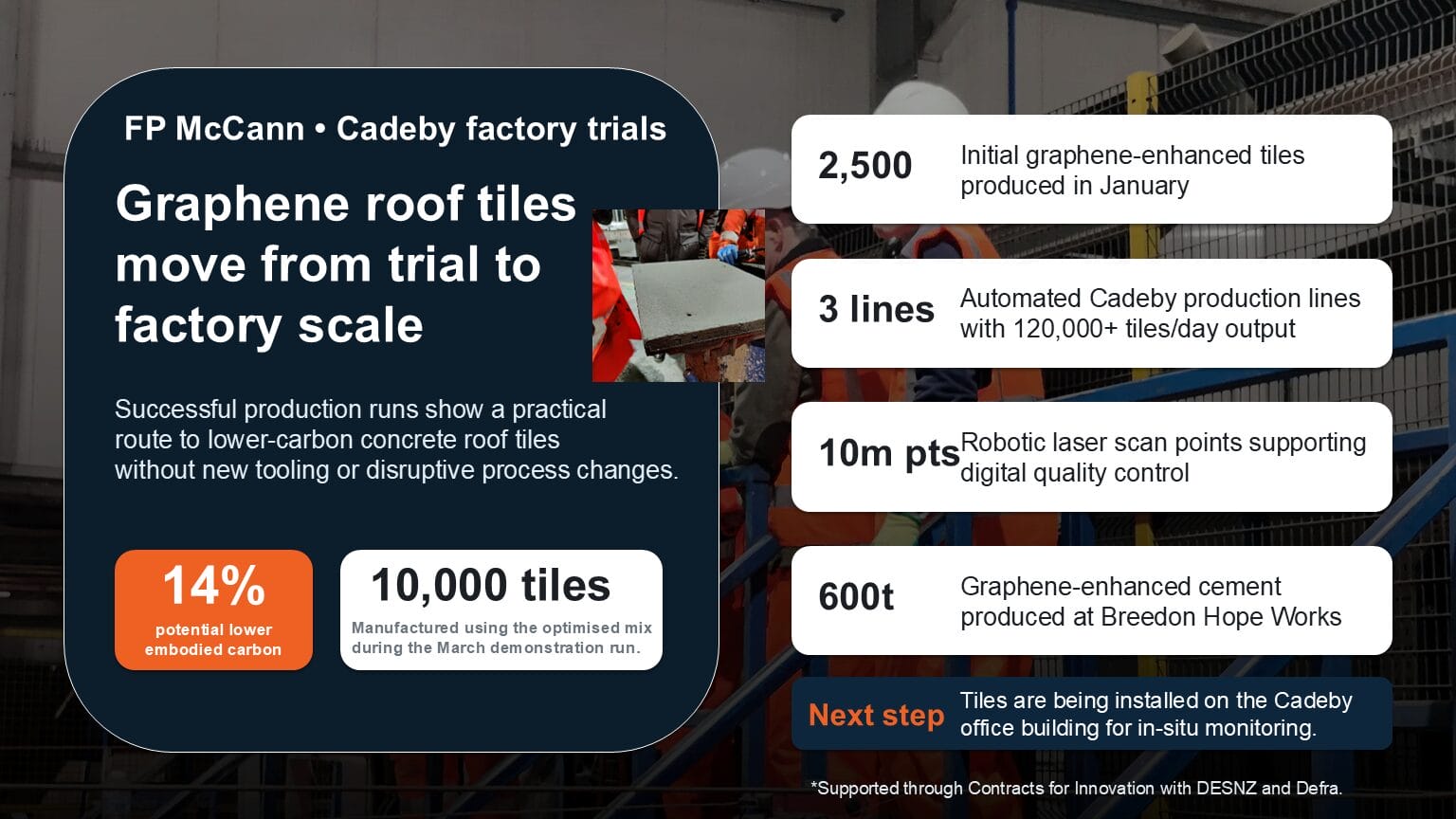
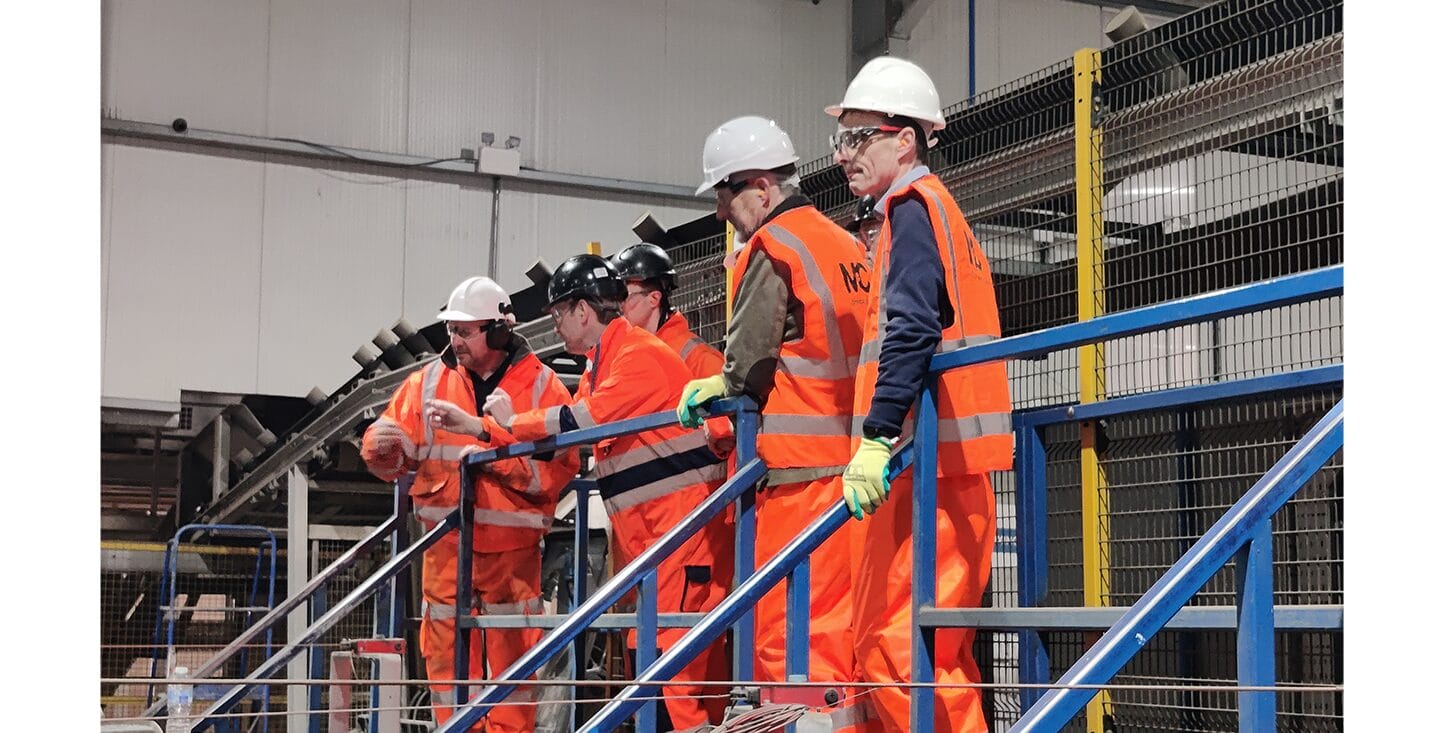
The Cadeby facility serves as a robust testing ground for this initiative. Operating three automated lines with a combined daily output exceeding 120,000 tiles, the plant provides a meaningful environment to evaluate lower-carbon CEM I replacement strategies. Throughout the project, three distinct rounds of factory trials were conducted. The January trial produced control tiles alongside the new mixes; a February trial tested the limits of the formulation’s performance; and a final demonstration run in March, carried out during a visit by the Innovate UK project monitoring team, successfully manufactured 10,000 roof tiles using the optimised graphene-enhanced mix.
Through extensive laboratory optimisation and these full-scale trials, FP McCann has identified a formulation that is effectively factory-ready. While more ambitious variants offering even greater carbon-reduction potential have shown promising laboratory results, they will require further infrastructure investment before full-scale implementation.
“The success of these trials reflects the power of collaboration across the supply chain,” said Dr Jacek Kwasny, Lead R&D Engineer – Sustainable Materials at FP McCann. “Working with First Graphene and NCC, we’ve moved graphene-enhanced concrete from the laboratory into a real manufacturing environment. The fact that we can achieve a 14% reduction in embodied carbon while maintaining our quality standards is genuinely exciting.”
To expedite the validation process, FP McCann leveraged its industry-first, in-house digital quality systems. The trials utilised a robotic laser-profile scanning system to capture tile geometry in a dense 3D point cloud of approximately 10 million points. Additionally, an AI-driven vision system assessed the quality of every single tile produced during the campaign, ensuring rigorous quality control.
The project’s scope extends beyond the factory floor. A selection of the newly produced tiles is currently being installed on the new Cadeby office building. This live application allows the team to monitor long-term, in-situ performance alongside ongoing production and laboratory assessments.
Collaboration across the supply chain has been central to the project’s success. First Graphene provided the essential graphene-enhanced cement, transitioning the material from specialist innovation to practical manufacturing. NCC contributed crucial life-cycle assessment expertise, quantifying the environmental impacts of various scenarios to guide further development. To support these efforts, 600 tonnes of graphene-enhanced cement were produced at Breedon’s Hope Works, with 60 tonnes delivered directly to Cadeby for the trials.
As the project matures, the environmental benefits are becoming increasingly clear. The most promising route identified combines graphene-enhanced cement with further binder substitution, indicating a potential 14% reduction in cradle-to-gate (A1-A3) embodied carbon.
For the construction industry, the practical implications are highly significant. The project demonstrates that transitioning to lower-carbon roof tiles does not necessitate new production lines, new tooling, or disruptive changes to mixing, casting, and curing processes. At Cadeby, the selected mix ran on existing equipment at normal production speeds—offering the low-disruption route that manufacturers and housebuilders urgently seek.
While final durability and leaching assessments are still underway, the focus now shifts to transitioning the preferred formulation into routine commercial production. For an industry striving to lower embodied carbon without compromising on speed, quality, or cost, FP McCann’s progress offers a compelling glimpse into the future of sustainable roofing.
*This project was funded through Contracts for Innovation with the Department for Energy Security and Net Zero (DESNZ) and Defra.*